On structural aliteracy and the quiet crisis inside Nigeria's creative imagination

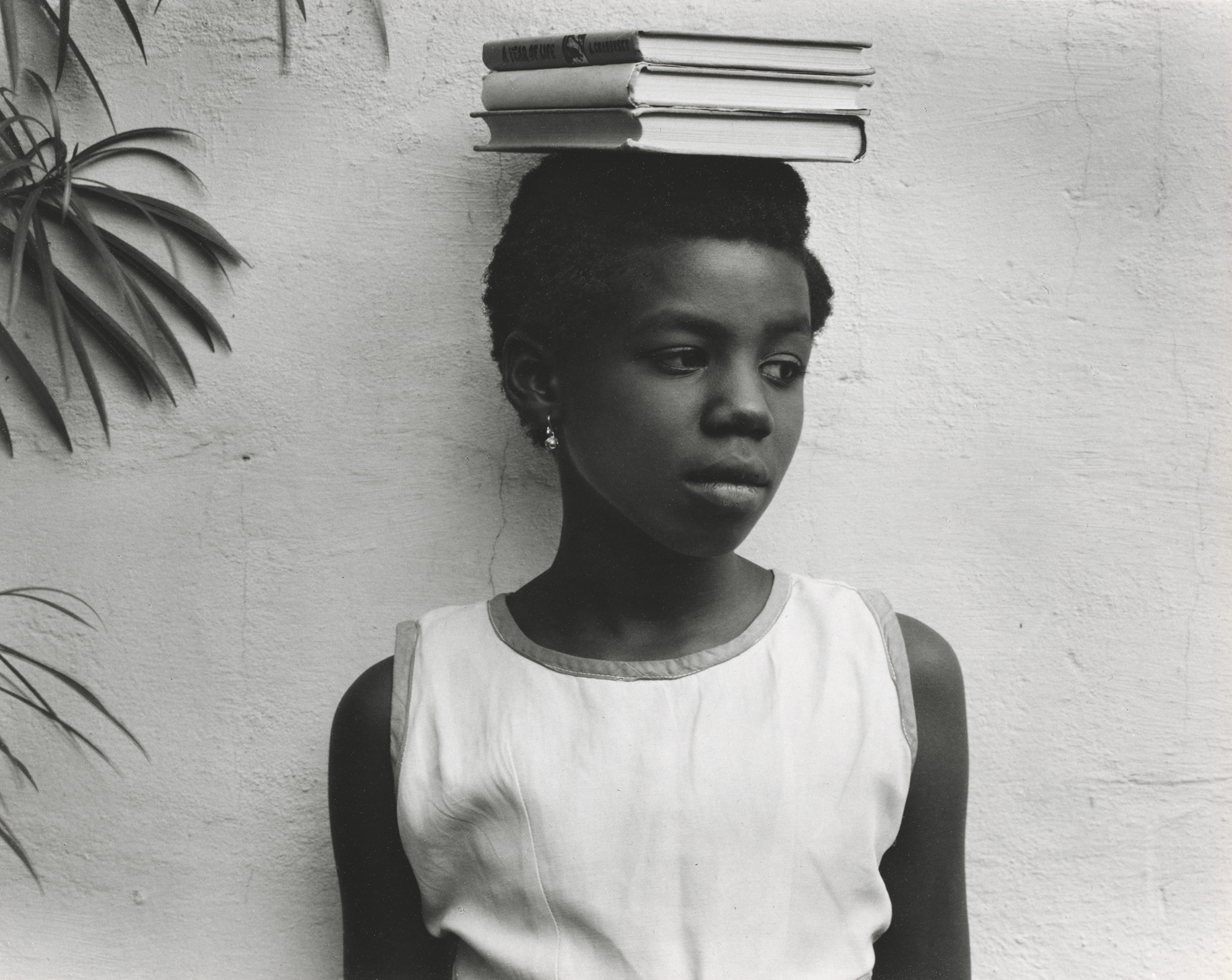
Cover Image Credit: Paul Strand
There is a culture of aliteracy in Nigeria that needs to be addressed. We are living through the condition of a people who have the ability to read, but choose not to, and who have, over time, lost the muscle that reading builds: patience, reference, the ability to sit with complexity long enough to understand it. This is entrenched. It was baked in by an education system that rewarded memorisation over curiosity, and turbocharged by a digital culture that rewards reaction over reflection. The result shows up everywhere, but more visibly in how we engage with creative work. The gap between output and depth, between instinct and rigour, is widening in ways that are quietly hollowing out how Nigerians imagine, make, consume, and advance the arts.
When a film steps outside the everyday vanilla soap-opera storyline, we do not know how to react; we struggle with nuance and call it boring. When a body of music resists easy consumption, the domestic critical environment offers them almost nothing. Not because thoughtful Nigerians do not exist, but because the culture neither rewards depth nor has built institutional frameworks to cultivate an understanding of it in the first place.
The irony is that this aliteracy is crippling the very creative culture we are so proud of. A creative ecosystem needs more than makers. It needs readers, thinkers, critics, people who can receive work with the same seriousness that it was made. Without that, even the most gifted artists eventually begin to shrink toward what the room can hold. We call it pretentious. We have mistaken impatience for taste, and loudness for criticism. Our discourse is full of opinions and empty of frameworks. We talk about art constantly and engage with it rarely.
This is not about elitism. It is not a call for everyone to watch arthouse cinema or read literary theory. It is about the basic imaginative labour that serious creative work requires from its audience, and the uncomfortable truth that we are unwilling to do it. The creatives feel it too. Nigerian directors, writers, designers, and artists working at the edge of their form will tell you privately that the work gets safer. And what could have been a genuine creative civilisation becomes, instead, a very loud content machine.
We are not short of talent or a creative class, I would say. We are short of the intellectual culture that talent needs to grow into something lasting. And until we are honest about that, in how we teach, how we fund, how we criticise, and how we show up for the work being made in our name, we will keep sending our best art abroad to be understood by strangers, because we never built the language to understand it ourselves.