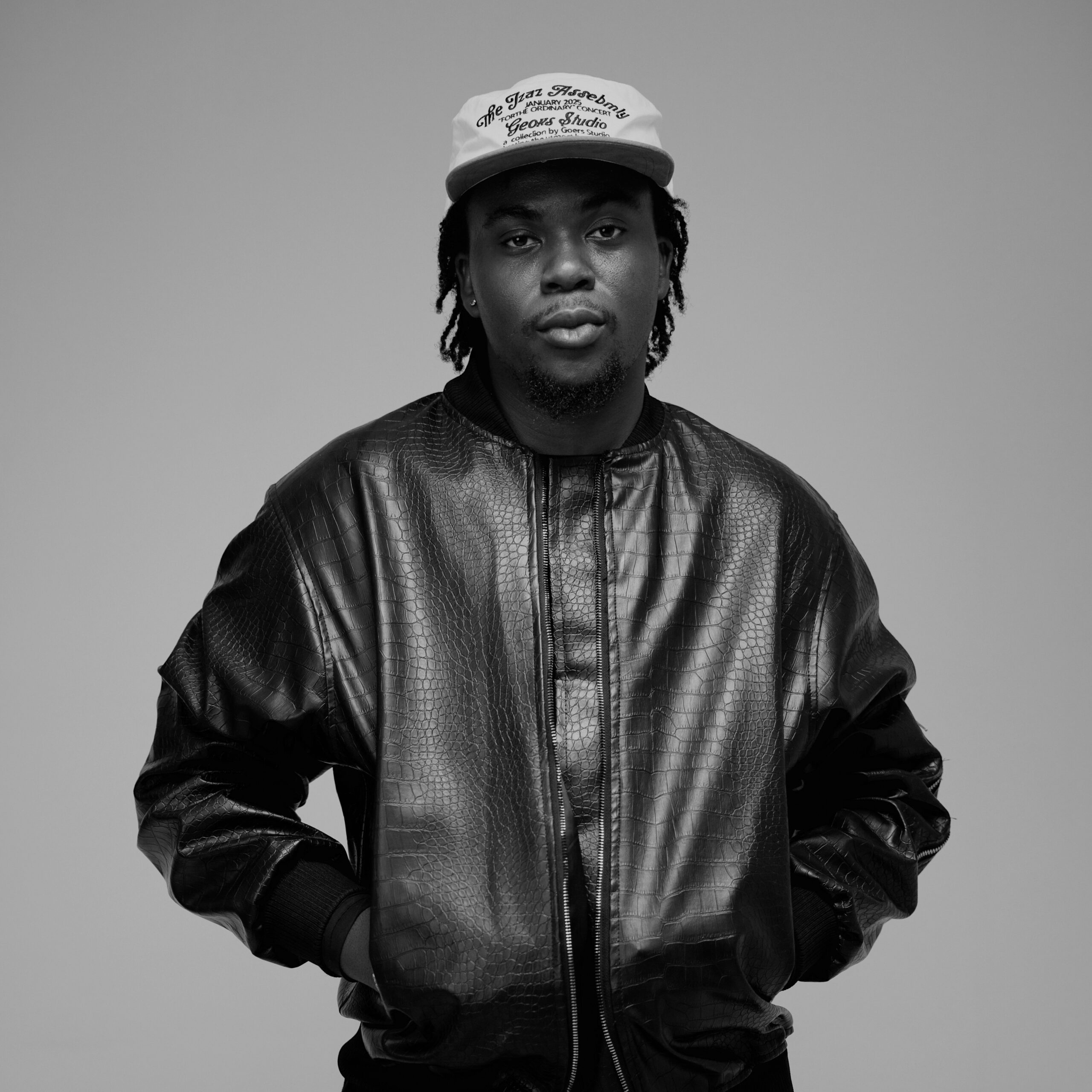
Photosagie talks MAVIN, building trust with Johnny Drille, the vision behind The Hybrid Space, and growing from industry photographer to creative world-builder.
Ireoluwa Giwa-Osagie, known as Photosagie, traces the beginning of his serious creative life back about five years, to when he joined Mavin. He’d previously held the lead photographer position at Affinity Art Gallery, but Mavin, by his own account, changed everything. It was there that he built a particular kind of trust with artist Johnny Drille. He started out behind the scenes, observing, learning the rhythm of things. But his work had a way of speaking for itself, and before long it caught the right eyes. Drille’s team took notice, and what began as background presence evolved into something far more personal: he began to liaise with Johnny’s creative director, Amaru, shooting Drille’s press images, music covers, and most recently, the artwork for his upcoming album Before the Morning Light.
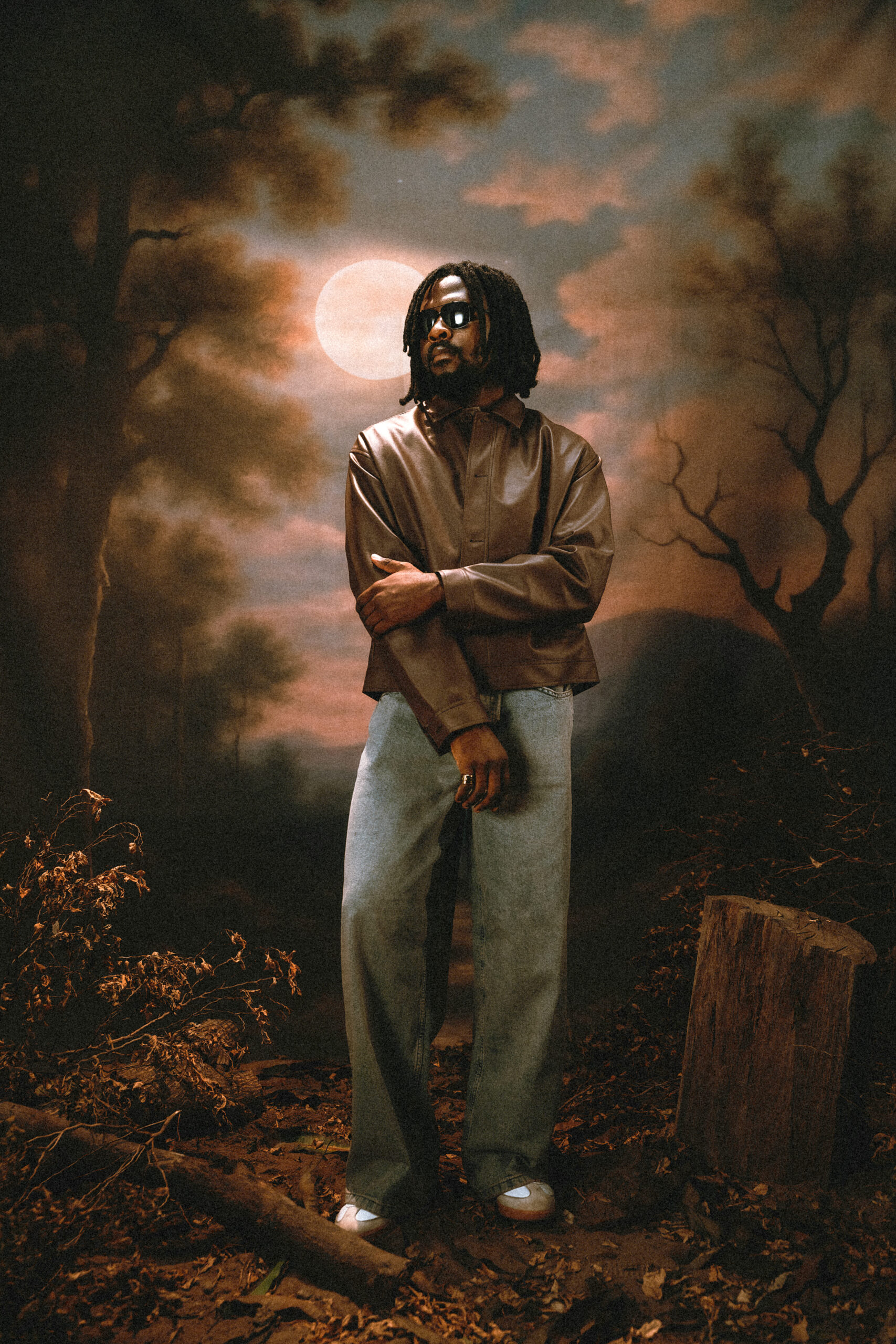
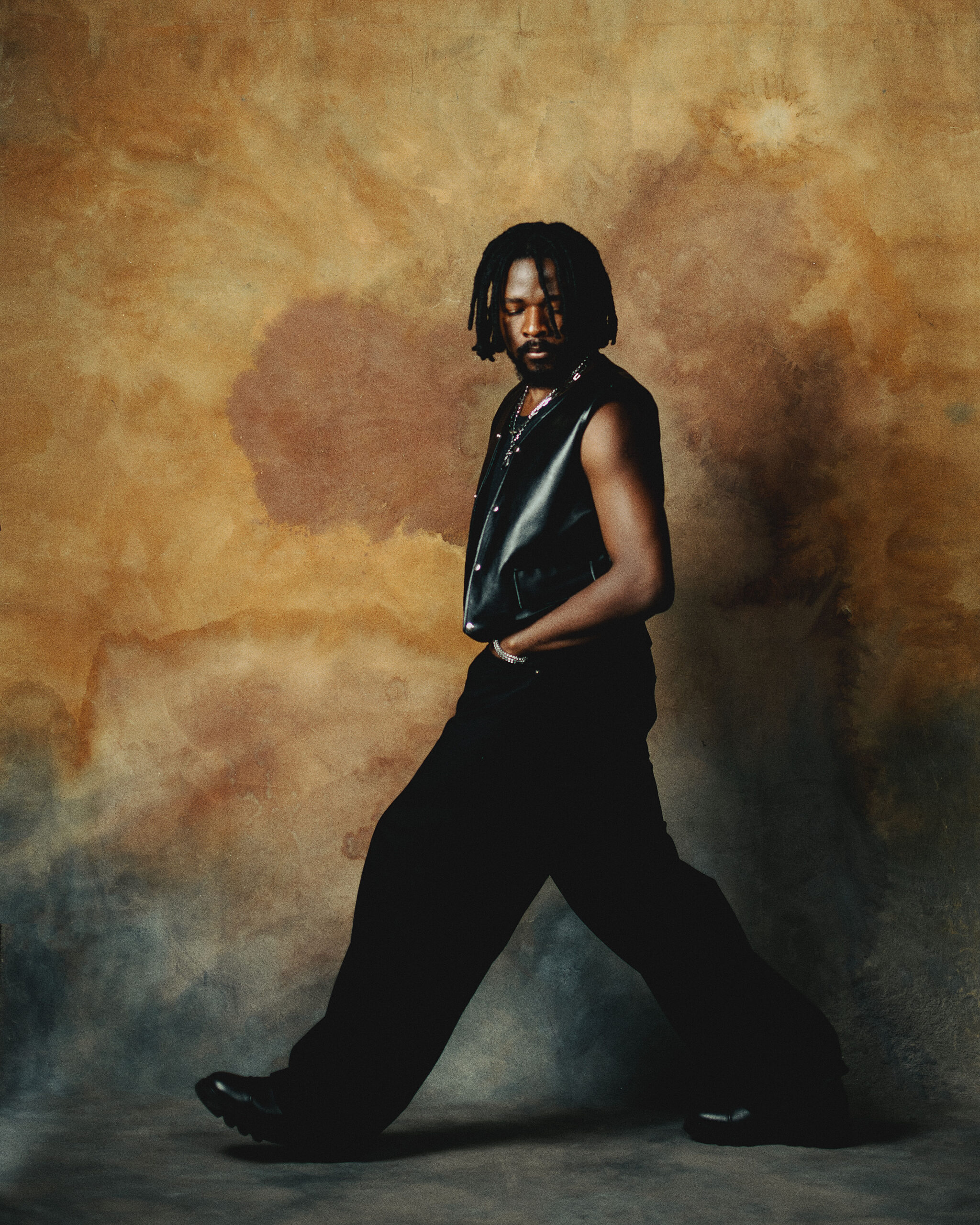
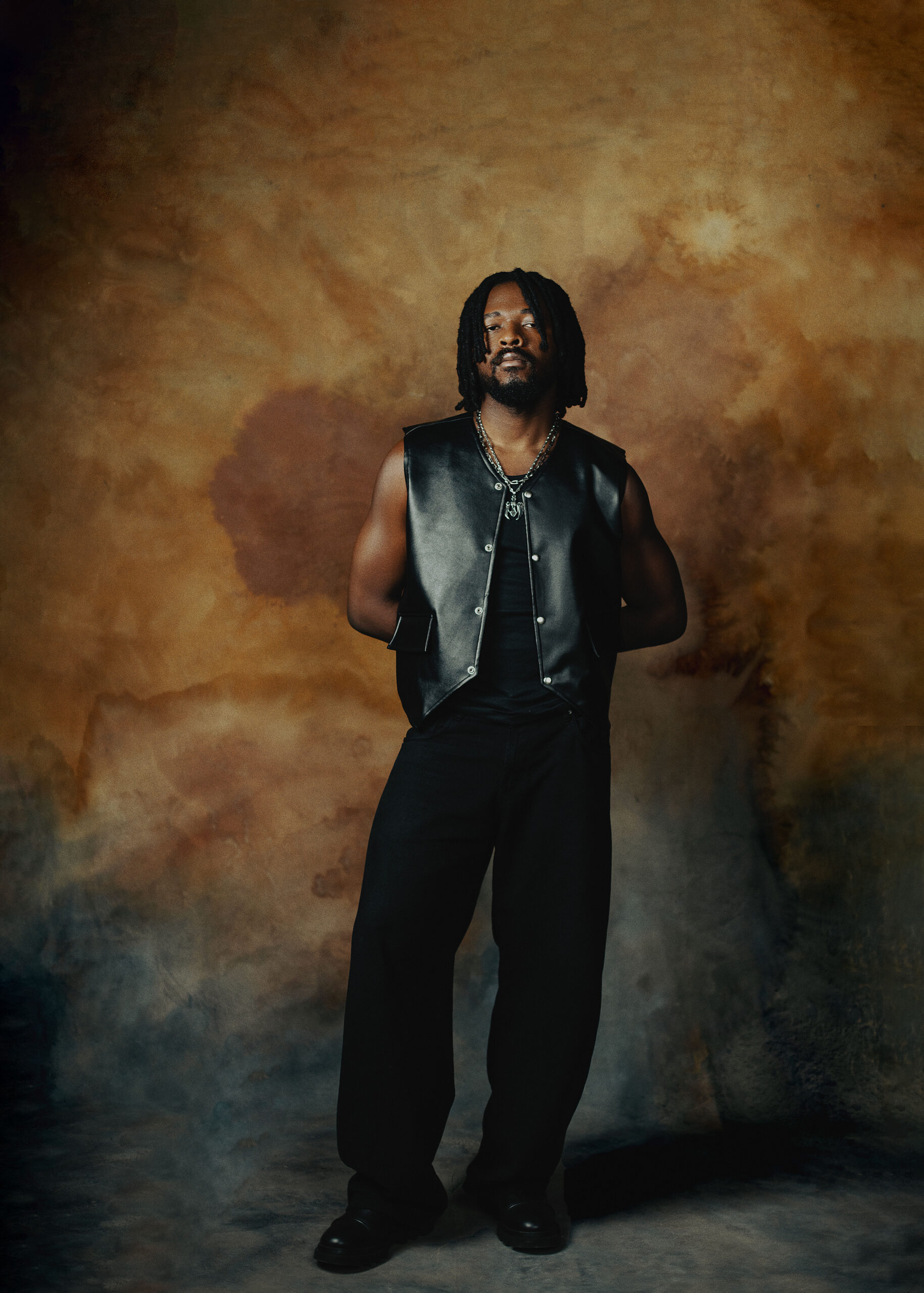
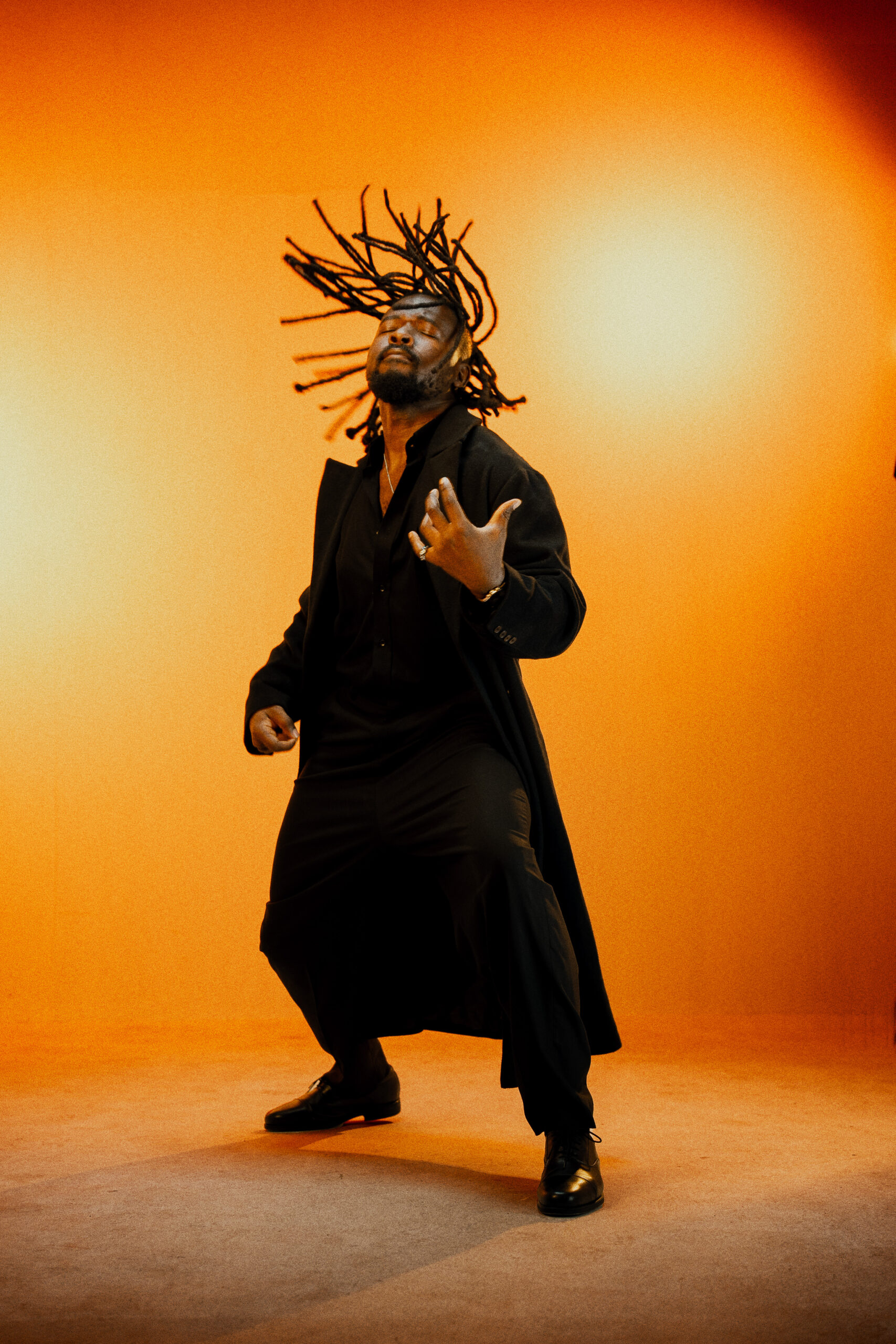
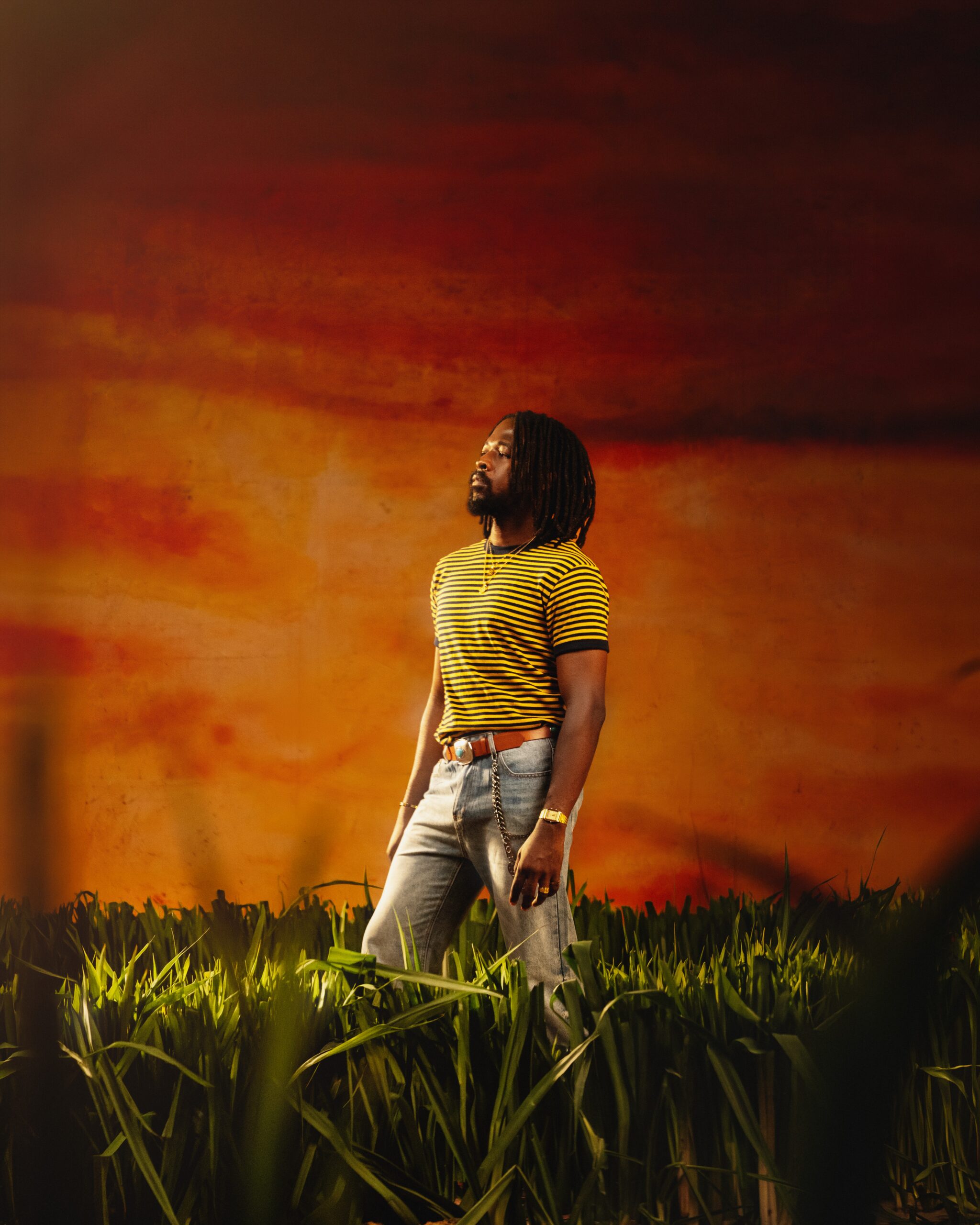
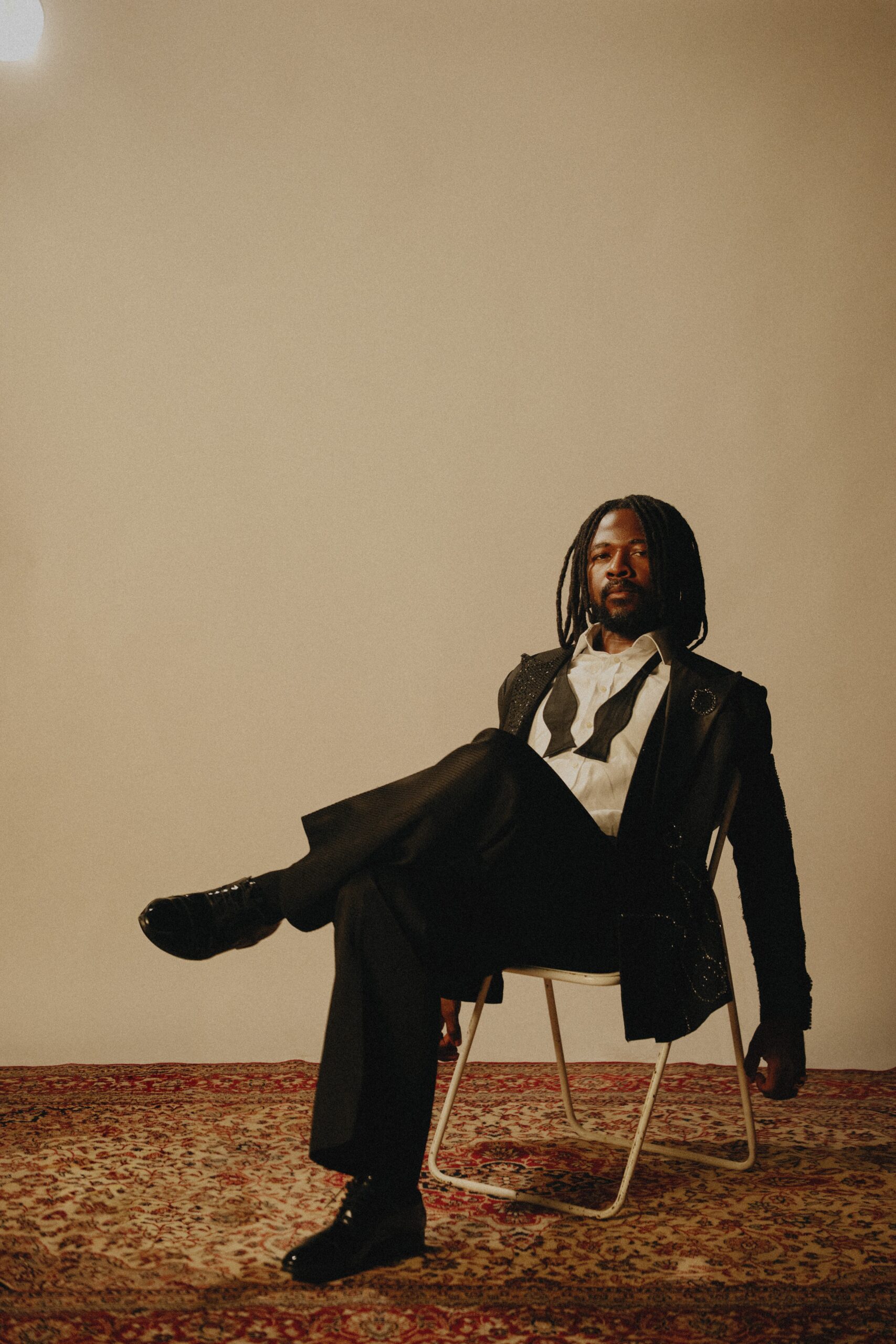
Images of Johnny Drille shot by Photosagie
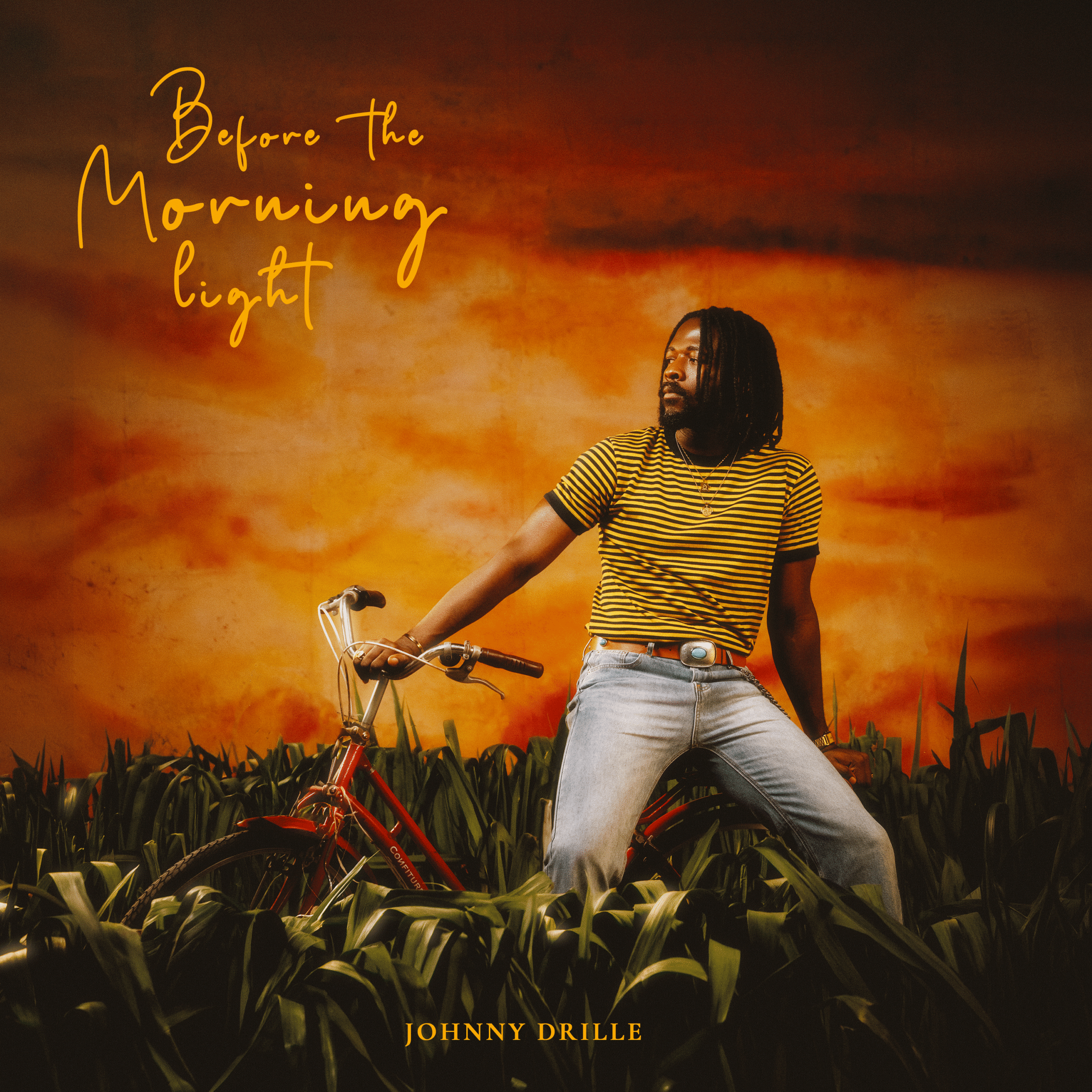
Cover of ‘Before the Morning Light’
Though his time at Mavin came to a close in 2024, those relationships never did. If anything, they became the foundation for the next chapter. Photosagie took everything he’d built — the aesthetic, the instincts, the network — and channelled it into his own creative studio, The Hybrid Space. What started as an on-call operation now has a home of its own, and a roster to match: Young John, Rema, Ric Hassani, Mavo, Magixx, and more have all moved through its lens.
We caught up with Photosagie to talk about the road from industry photographer to creative director, what it really took to earn Johnny Drille’s trust, and where The Hybrid Space is headed next.
NoteS: Take us back to when your work as a photographer started
My serious involvement in this work really started about five years ago, when I joined Mavin. Before that I had been dining corporate photography, gallery work. But Mavin changed my world. It gave me real exposure to the industry — how it operates, how relationships work, what it actually takes to be in the room. That’s where everything shifted for me.
NoteS: That must have been where you first crossed paths with Johnny Drille. How did that relationship develop?
Yes, I met him in my first year at Mavin. I was more of an observer, handling behind-the-scenes things. But over time, he started to notice the work, and his team began assigning me more personal projects. What grew from that wasn’t just a professional arrangement. It became something built on genuine mutual respect. We both recognize that we’re excellent at what we do. That trust means nobody has to second-guess whether the right people are in the room. Everyone knows they are.
NoteS: You’ve now shot his press images for three years, and the artwork for Before the Morning Light. What was the creative process like for the album?
The shoot itself almost didn’t happen when it was supposed to. It was originally planned for December last year, but Johnny was on tour, then he got injured, and then he needed time to settle back with his family after being away so long. By the time everything lined up, it was March. But the concept, when we finally got into it, felt right. The visual direction we’ve built around his image centers on this homie, nostalgic feeling — warm, real, unhurried. For this project specifically, the idea was to place him in a sunrise setting, like someone who had already been on a long journey before the light even came up. That suited the album’s title perfectly.
NoteS: Interesting — you parted ways with Mavin in 2024, but the relationship clearly still sticks. How did you hold onto them, and how does it feel operating independently now?
The Hybrid Space and my personal brand still function as vendors for Mavin, so the relationship still exists — just differently now. We’re independent. And that independence matters because the direction I want to take things goes beyond photography and video.
NoteS: Let’s talk about The Hybrid Space. How did that come together?
It started as a vision coupled with the relationships I’d been building. We were operating on the go. The physical space only came together earlier this year. But the identity was already forming long before that. A lot of it came from the collaborations. Magixx was the first person to genuinely support The Hybrid Space as an idea, but Young John took took it to a major, global level, something about those shoots we did produced this lime wash aesthetic, that people responded to immediately. It wasn’t something I planned. It just happened organically, and the feedback was strong enough that it became intentional. Now it’s part of how we work.
NoteS: You mentioned taking it beyond photography and video — what are the plans?
This year, the goal is to produce more films and short films with actual narrative context. Scripts are already in development. Some Projects are in motion. The Hybrid Space was never meant to just be a studio.
What should people who plan to build creative studios know?
I’d say for me, I needed a clear vision to anchor my ideas and I needed to really understand where I fit in the ecosystem, which helped in having a somewhat clear path on how I can build and sustain a proper machine like a studio. It became a daily mission for me, everything I did moving forward was in consideration of the vision of what the hybrids space will become.
NoteS: You’ve spent years working side by side with artists and those relationships have clearly shaped the work, what’s the biggest lesson you’ve learned from being around creatives at that level?
I would say, one thing I’ve learnt would be to kill my ego when required to, I may be an expert at what I do but so are these artists, they have spent years, possibly all their lives building their art, my job became focusing on being a medium for them but with my own creative flair which meant learning how to serve in order to grow.
NoteS: Now Five years in, Mavin, Johnny Drille, The Hybrid Space and many other moments that have significantly shaped your career, when you look at everything you’ve built, what does the next five years look like for Photosagie?
The next 5 years feels like an incubation period for me, I’m only half way to my destination, a stage of “becoming”, these next 5 years will be filled with intentional collaborations, exploring new and different forms of art, shaping the creative culture and by proxy building up newer generations of creators. Photosagie will become a true medium in the world of art by fully becoming “The Hybrid Shooter”